

Injuries & Diagnoses
Think outside the box!
The way we walk is rotational around an axis, as one shoulder goes back and slightly internally rotates, the opposite hip has to go forward and slightly externally rotate. Therefore from a myofascial and neurokinetic perspective both upper and lower body chains work as a team. This gives us an integral link with both areas in terms of general function. This considered what kind of impact would poor shoulder and/or hip biomechanics or injury have on this system, also what about the other structures affected by these areas, knees, ankles feet, elbows, wrists, fingers, neck and cranium, basically everything else?
When an injury occurs did it arise from trauma, and if so was it an impact or failure trauma? If it was the latter why did it fail and what is its role in the kinematic chain? Whether a trauma or failure, what impacts will this injury have on the rest of the kinematic chain? Understanding the relevance of and, how to assess this provides insight into compensation patterns and how to address them.
I start with the basics of history taking and observations, both should be extensive. The observations should include scanning what I call “micro and macro biomechanics”, the small and large posture and movement alterations. The micro aspects are often overlooked in my experience. I then combine orthopaedic, neurological and neurokinetic testing to examine not only the painful areas but also those that have become dysfunction as a result of compensations. I have devised a specific system which helps you prioritise how to do this according to the main area of complaint.
What effect will hip dysfunction have on load transference through the knee and rocker motion in the calcaneus, what is connected in this kinematic chain and how important is it? The answers depend both on the patient and their symptoms however, to not consider compensation patterns has proven time and again, to lead us to assumptions. This in turn moves us toward what we are comfortable with rather than looking outside the box and solving an issue instead of just treating some of the symptoms.
In my experience lack of kinematic consideration results in singular labels such as:
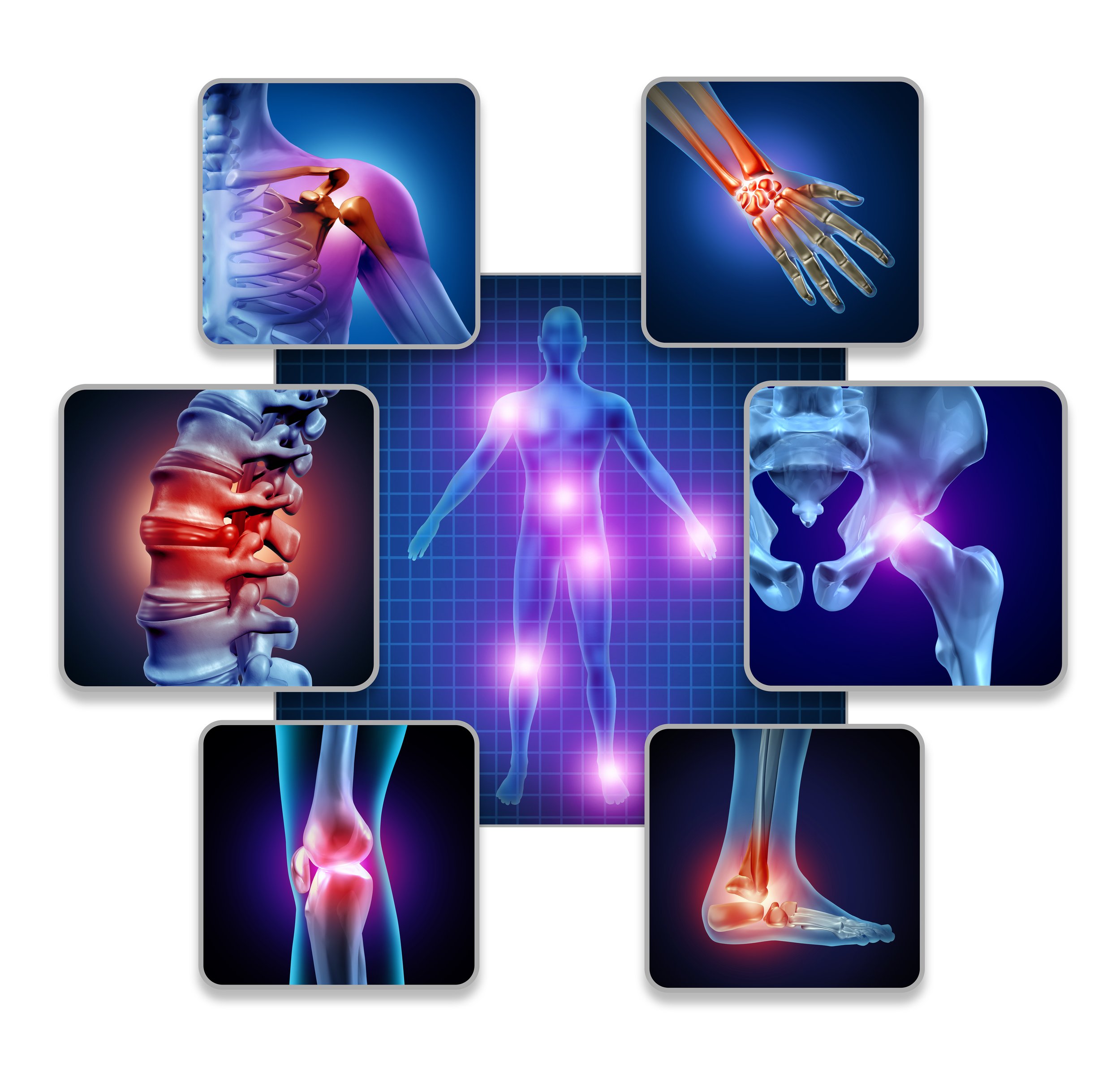
Rotator cuff dysfunction/tear/tendinopathy
Golfers/tennis elbow
Carpel tunnel syndrome
Bursitis
Impingement (hip or shoulder)
Psoas irritation ot tendinopathy
Achillies dysfunction/tear/tendinopathy
Plantarfaciitis
SI joint irritation
Lumbar/cervical disc/radiculopathies
Sciatica
I am in no way saying these issues do not occur however, I am stating there is a reason why they occur, they never occur in isolation and compensations begin immediately after the onset of pain, in fact they are present in our daily lives according to how we move. Therefore in order to put the pieces of a case together this information is integral.
The above are but a small group of overused diagnoses which, when considered from a kinematic perspective are influenced by many other structures and areas. These rules also apply in treatment, if you treat only the area of the pain you really are missing the point as again, from a kinematic viewpoint, many other areas and structures will affect the area of pain. Additionally what if someone is in so much pain they can bear very little hands on treatment, many practitioners do minimal treatment and stop there. I advise doing minimal treatment in the area of pain and treating distally from this area, amazing results are achieved with this method as it addresses other parts of the fascial continuity that will indirectly reduce pain in the "hotspot'”.
Tracing kinematics relating to the pain area is not only a much more thorough treatment, it also helps to relieve the entire system which results in faster pain reduction and longer term relief. Couple this with active care and integrative movements/exercises and you have a happier, healthier patient who is learning to take care of themselves which, is the most important part of this whole process.
Due to the complexity of movement and compensation patterns pain and injuries have a habit of recurring however, with an in-depth understanding of the problem you can empower and teach your patients how to deal with it better by using functional movement and training tailored to them. Educating your patient to understand they can use movement/exercises to reduce pain is a real game changer once they become confident enough to trust the process.