
Innovative solutions for neuromuskuloskeletal pain
After studying fascia and movement for many years through human dissection, body reading and case studies, I have concluded how it is taught in our colleges and universities is somewhat inadequate.
The Academy’s purpose
To teach the fundamentals of holistic biomechanics examination and treatment with the integration of myofascial function. Historically, practitioners have been educated in anatomy by way of breaking down single motion units involving synergists. Whilst this is helpful initially as it simplifies the understanding, in the real world that’s not how we move.
I have been interested in fascia and its involvement in pain and movement for many years. Therefore I dedicated much time to dissecting human bodies and studying the latest research which has evolved a lot over the past 20 years. What we know now is this amazing abundant tissue is the power house driving movement and, it is inextricably linked throughout the body.
The significance of fascial continuity is immense, what it highlights is the presence of compensation patterns that are compelled to occur when our bodies sustain injuries or painful conditions that cause us to guard and move differently than we usually would.
I have spent much time trying to develop the best way to apply and teach this the most subjective way possible. I now have what I believe to be a formula that does just this. We are all different and the same injury to two people will manifest in very different ways.
My system is designed to help the practitioner diversify from the standard teaching formulas and look outside the box. Its also teaches the patient the impact they can have in their own bodies with just modifying movement patterns and implementing subjective exercise.
Integrated Biomechanics
After studying fascia and movement for many years through human dissection, body reading and case studies, I have concluded how it is taught in our colleges and universities is somewhat inadequate. Movement is about flow and kinetics yet teachings break down this flow and kinetics and replace it with order and motion units. Whilst I appreciate this is biomechanics and anatomy 101, it has very little correlation with how we move in real life.
For instance let us consider compensation patterns, when one part or area of the body is injured, the law of kinetics means one of its synergists or counterparts has to alter its state also. This fact, coupled with in depth knowledge of fascia, completely opened up my world and enlightened me in the knowledge that, it is the compensation patterns causing more problems than the actual injury(s).
Integrated Treatment
Due to my sports therapy and personal training background, I have always had vested interests in treating soft tissue. Therefore when I graduated as a chiropractor it was natural for me to continue this in my treatments. I also took the decision to have extended treatment times for all my patients as I found the standard 10-15 minute appointments most chiropractors and osteopaths took, much too short for me.
Little did I know at the time this combination would be the foundation of my success over the years. Now it’s a known fact that fascia and tissues, not the skeleton, drive movement therefore I use neurokinetic testing combined with standard methods to understand how and where bodies compensate due to pain and injury. The result of which has profound effects and provides more sustainable and longer term recovery rates
“Underloading, during exercise, is one of the leading reasons for poor recovery”
Active care
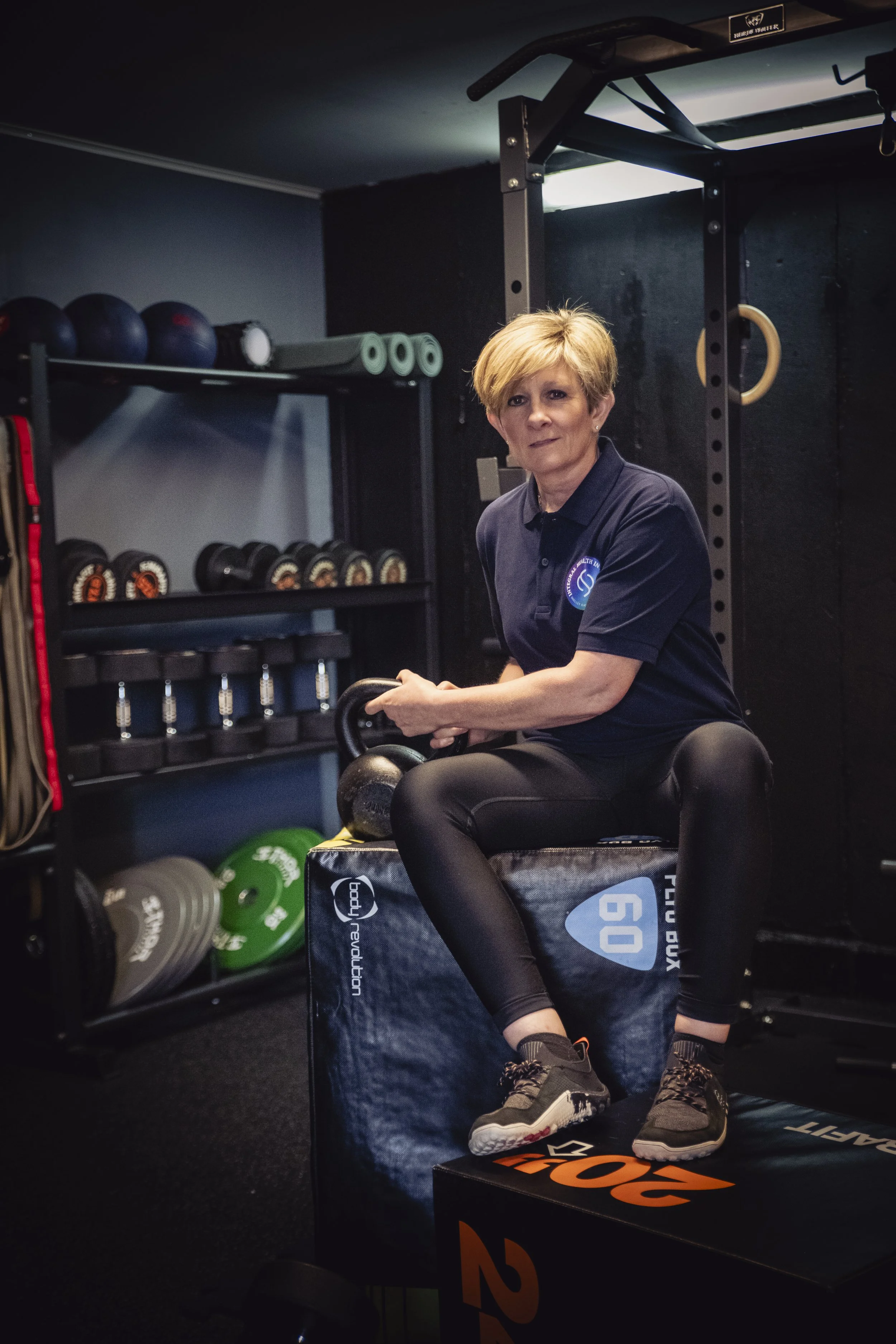
An integral part of my teaching is the use of active care.
By this I mean giving a patient a movement or exercise they find very difficult but are able to perform. If an intervention is not difficult enough it will not initiate any change. This can be difficult to begin with for both practitioner and patient as it requires confidence in knowing that it will not cause harm to move through pain.
Our brain is a powerful force in protecting us but there are times when we must control it and not the other way around. In acute cases particularly, the last thing a patient wants to do is move through the pain. With the skill of a knowledgeable practitioner this can be achieved quickly but, it does not come without a degree of trial and error.
To avoid under loading we must have the knowledge and skill to find the most difficult movement or exercise that our patient can do well. This gives them a positive experience with movement even when in acute pain, which is fundamental to recovery.